About This Project
MCH and Ambulance Project Overview
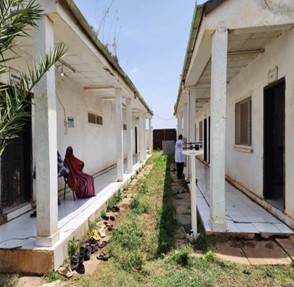
In Magala Cad, a growing community under Borama District in Somaliland, mothers and children depend on one fully operational Maternal and Child Health (MCH) centre for primary healthcare services. The facility is staffed and functional and serves not only Magala Cad town but also more than 20 surrounding villages and pastoralist communities who rely on it as their first point of care.
While the MCH provides essential services, it faces a critical gap that puts lives at risk. The facility does not have an ambulance to respond to emergency cases. Pregnant women experiencing complications and critically ill children must be referred to Borama or Wajale District Hospitals, often over long distances and challenging roads. Emergency referrals depend on private transport or delayed arrangements, resulting in preventable loss of life, particularly among women who do not reach referral hospitals in time.
In addition to the lack of emergency transport, the MCH has limited ward space. As the population continues to grow and more patients arrive from surrounding rural areas, the facility struggles to accommodate women and children who require admission and observation. This limits the quality and continuity of care that can be provided at the community level.
This project seeks to address these gaps by constructing an additional ward at the MCH and procuring an ambulance dedicated to maternal and child health emergencies. The additional ward will expand the facility’s capacity to admit and monitor patients, while the ambulance will ensure timely referral of emergency cases to district hospitals when advanced care is required.
The project responds directly to priorities identified by the community through consultations involving women, health workers, elders, local authorities, and members of the diaspora. Improving emergency response and expanding facility capacity will significantly reduce delays in care and improve health outcomes for mothers and children across Magala Cad and its surrounding communities.
The project is now entering its third phase, which focuses on multipurpose hall. For this phase, the local community and the diaspora are each contributing USD 7,500, bringing the total community contribution to USD 15000. This represents approximately 30 percent of the total project cost, with IOM expected to provide matching funds of USD 45000, equivalent to 70 percent of the total cost.