About This Project
Jowhar - located approximately 90 kilometers north of Mogadishu, is the capital of both Middle Shabelle Region and Hirshabelle State. Known for its fertile agricultural lands and rice production, the city is one of Somalia’s most important farming centers along the Shabelle River. In the eastern part of Jowhar lies Horseed Village a community of approximately 500 households spread across four settlements—Xalanle, General Da’ud, Gacan Libax and Faanoole. The majority of residents rely on agriculture, small-scale businesses, and casual labor to support their families and livelihoods.
For generations, the Faanoole Drainage Canal has served as a critical lifeline for these communities constructed before 1964, the canal was designed to channel floodwaters, rainwater and wastewater away from residential areas protecting homes, roads and schools. Community elders recall a time when the canal functioned effectively reducing the impact of seasonal flooding and helping maintain a safe and healthy environment. As one elder explained “This canal has always been our shield against flood without it water and waste overwhelm our lives”.
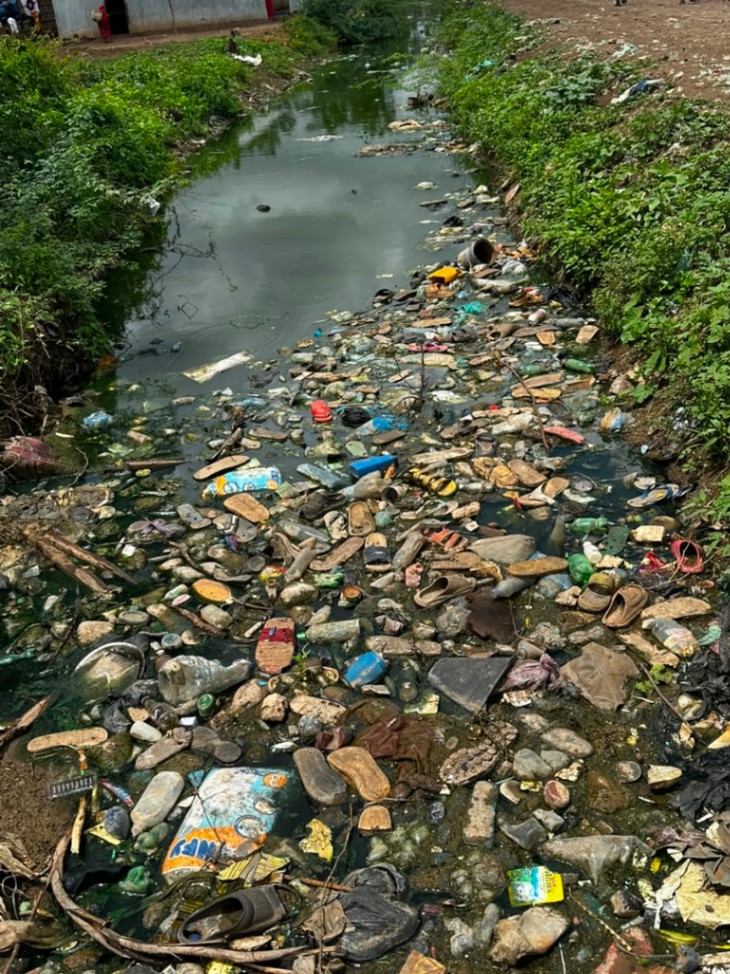
Following the collapse of the Somali government in 1991, public infrastructure maintenance gradually ceased and the canal fell into disrepair. Over the years, sediment, vegetation and waste accumulated, reducing its capacity to drain water effectively although community members regularly organized voluntary clean-up efforts before rainy seasons, the scale of deterioration eventually exceeded their available resources. As a result, flooding became a recurring challenge during periods of heavy rainfall, water overflows into homes and public spaces disrupting movement between villages, damaging property and creating stagnant pools that increase the risk of malaria and other water-related diseases. Poor drainage has also contributed to deteriorating sanitation conditions, posing significant health risks to vulnerable households. A mother from Faanoole village described the situation by saying “We struggle to cross safely and diseases spread quickly. What was once our protection now puts us at risk.”
When Horseed Village communities came together through a participatory planning and prioritization process under the YOU ACT Project, residents carefully identified and ranked the development challenges affecting their daily lives through consultations involving elders, women, youth representatives, local leaders and community members, the rehabilitation of the Faanoole Drainage Canal emerged as the highest priority project due to its direct impact on public health, safety, mobility and community resilience. The process was closely supported by the Jowhar District Administration, which worked alongside the community and project stakeholders to ensure that local priorities were properly reflected and that the proposed intervention responded to the most pressing needs of the population and guarantee transparency, accountability and long-term impact
Demonstrating strong ownership and commitment to the project, the Horseed community promised to contribute USD 8,000 through a local crowdfunding initiative. This commitment reflects the community’s determination to invest in a solution that will benefit current and future generations while strengthening local ownership and sustainability in support of this community-led initiative. The YOU ACT Project has allocated USD 112,000 for the rehabilitation of the Faanoole Drainage Canal with the supported through funding partners from IOM, FAO and the United Nations Peacebuilding Fund and Shaqodoon as implementing partner.
The rehabilitation of the Faanoole Drainage Canal is more than an infrastructure project. It is a story of a community identifying its own priorities, coming together around a shared challenge and taking collective action to improve its future. Once completed the rehabilitated canal will help protect approximately 500 households from flooding, improve sanitation and public health conditions, facilitate safer movement between villages, and strengthen resilience against future climate-related shocks. Most importantly, it demonstrates the power of community-driven development, where local leadership, community commitment, district authorities and development partners work together to create lasting and meaningful change.